
FunGlass Shared Experience from EIC Pathfinder Projects at the EIC Pathfinder & EIC Transition 2026 Webinar
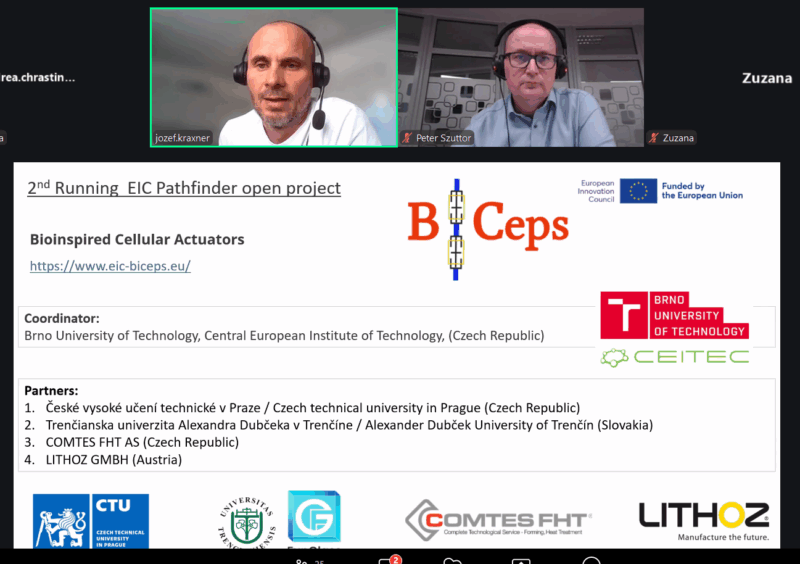
On 10 June 2026, FunGlass participated in the webinar EIC Pathfinder & EIC Transition 2026: From Idea to Prototype, organized by Peter Szuttor, National Contact Point for the European Innovation Council (EIC), European Innovation Ecosystems (EIE), and the European Institute of Innovation and Technology (EIT) at the National Horizon Europe Office of the Slovak Centre of Scientific and Technical Information (CVTI SR).
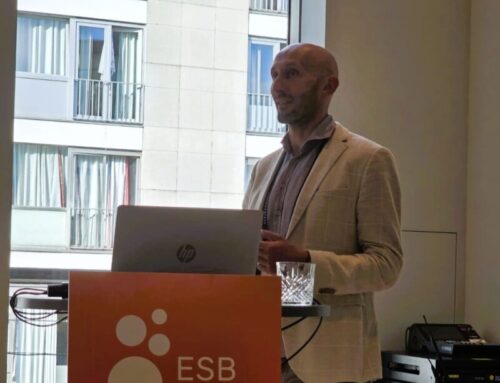
During the webinar, Jozef Kraxner, Head of the Glass Processing Department at FunGlass, presented the Centre’s experience with two EIC Pathfinder Open projects, EverGlass and BiCeps. His presentation focused on practical lessons learned from the preparation and implementation of successful Pathfinder proposals, providing valuable insights for researchers and innovators preparing applications for the forthcoming EIC calls.
Drawing on FunGlass’s experience, the presentation highlighted key factors contributing to a competitive proposal, the importance of a clear breakthrough vision, effective consortium building, and strategies for addressing the high-risk, high-gain nature of Pathfinder projects. Participants also gained first-hand insights into the challenges and opportunities associated with developing ambitious deep-tech research concepts within the EIC framework.
The webinar brought together members of the Slovak research and innovation community interested in European funding opportunities supporting breakthrough technologies and their transition towards practical applications.
EIC Pathfinder and EIC Transition are funding schemes of the European Innovation Council (EIC) designed to support breakthrough research and its further development towards innovation and real-world applications. EIC Pathfinder supports radically new and still unproven ideas and technologies at the early stages of research, with a strong focus on deep-tech innovations. EIC Transition builds on research results and helps move them closer to market uptake through technology validation and support for business and market readiness. Both instruments target high-risk, high-potential projects capable of transforming existing technologies or creating entirely new industries and markets.